Näitus
TURNING POINT. Before life decides for itself
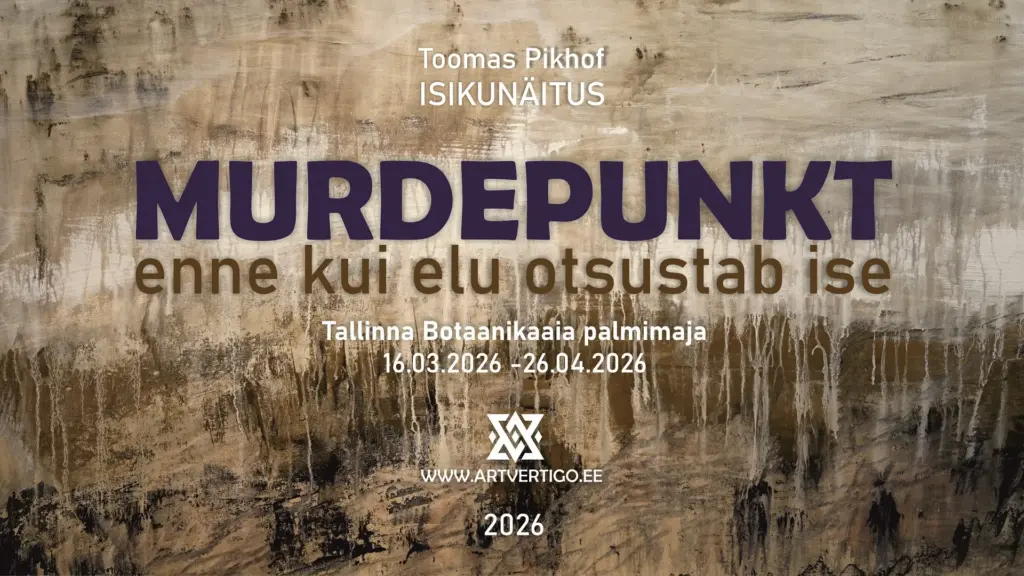
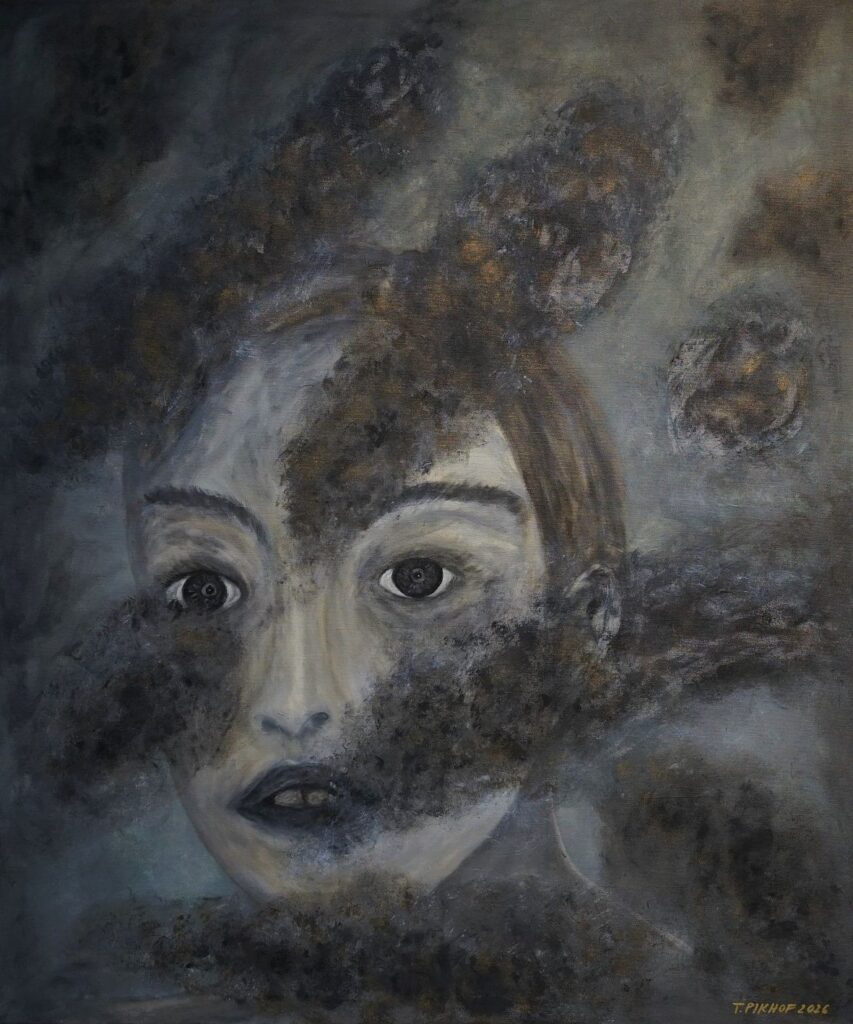
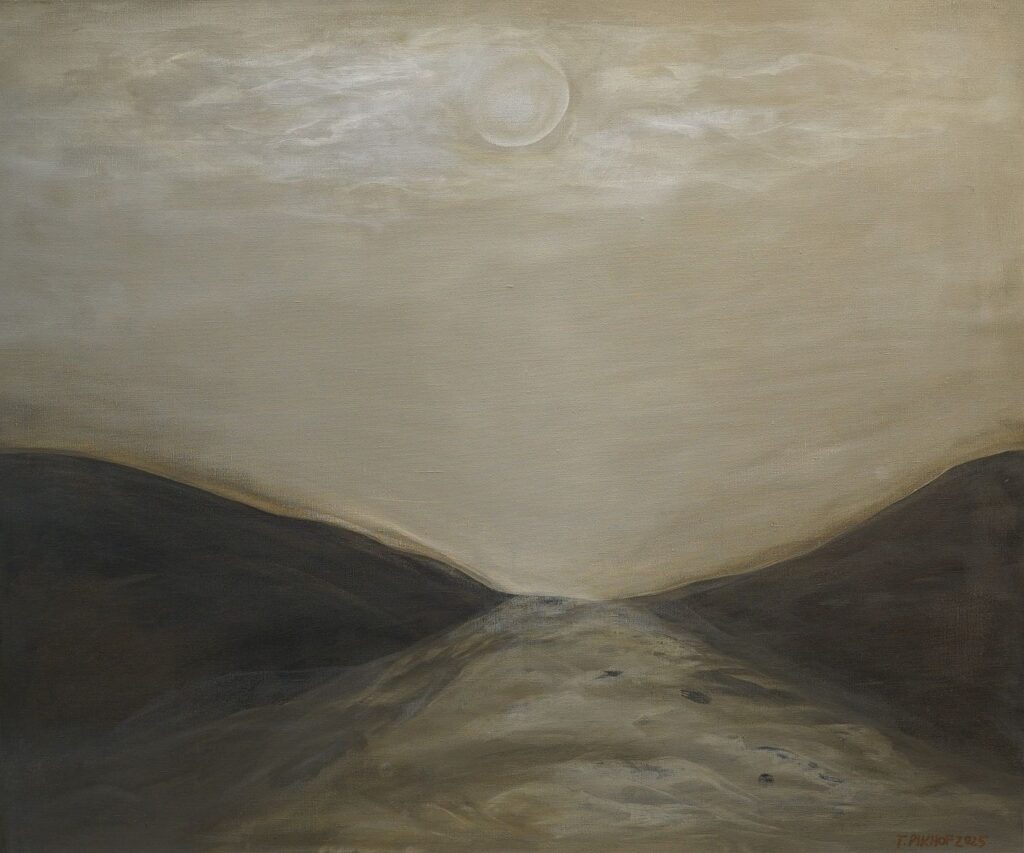
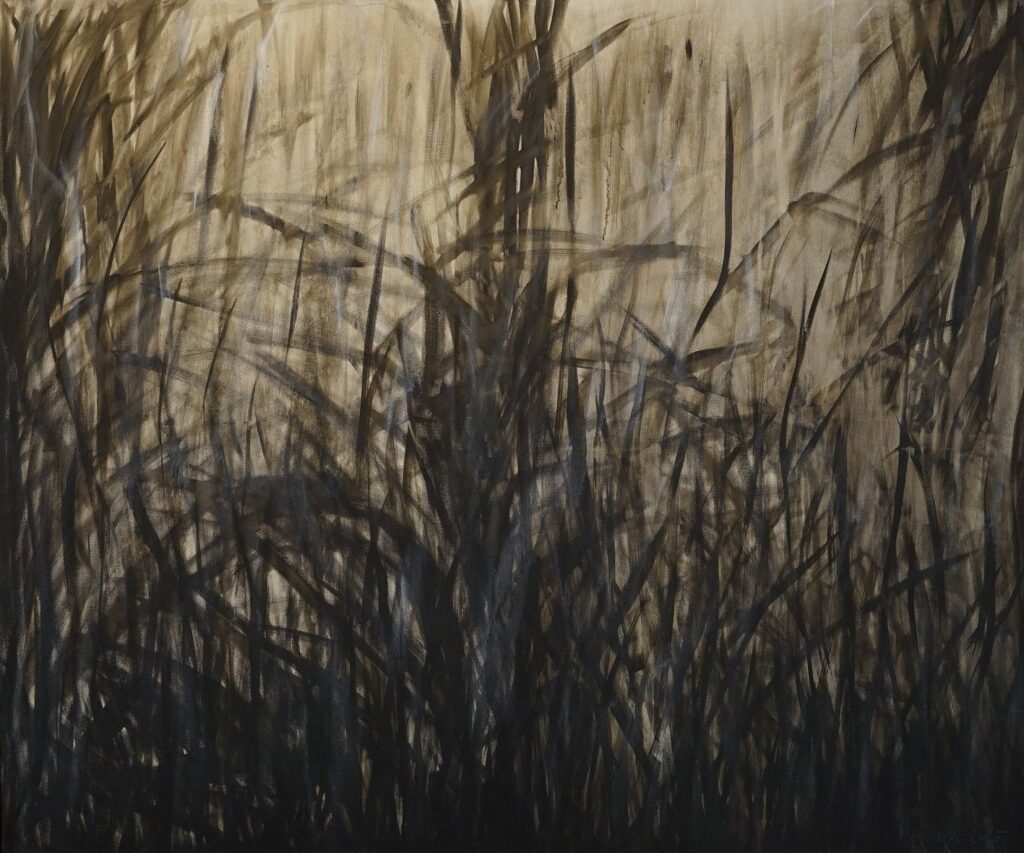
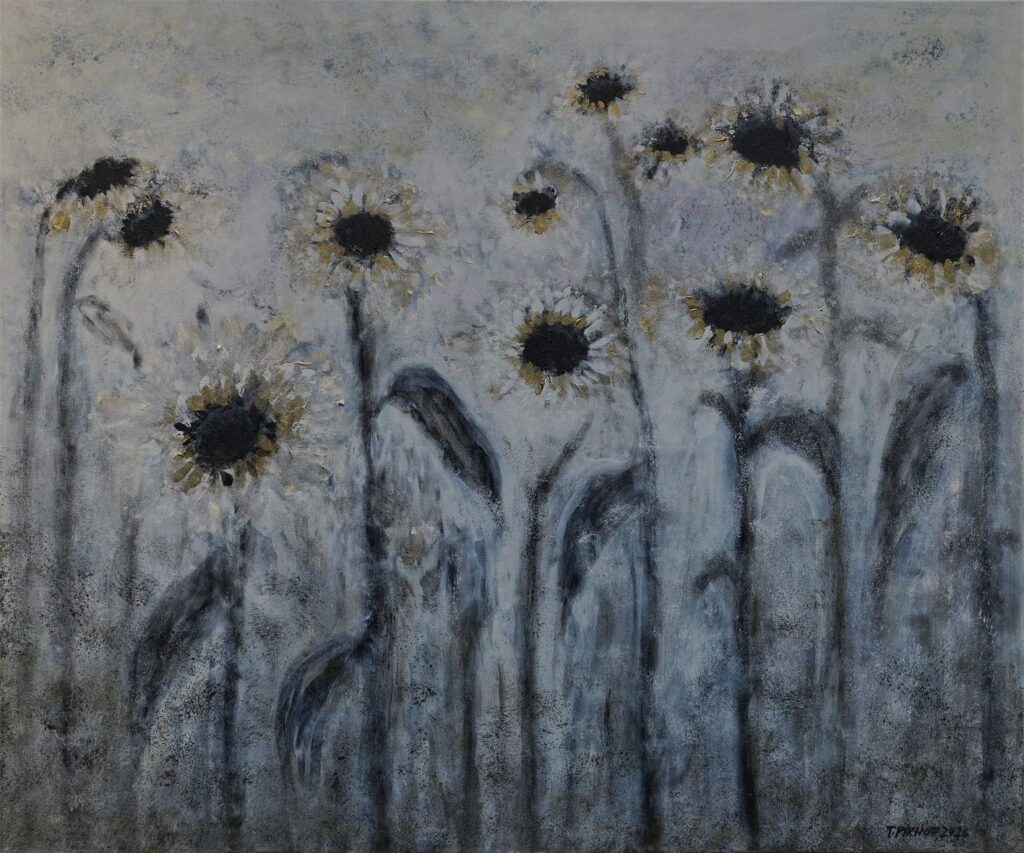
An exhibition comprising 16 abstract paintings on the theme of education as a moral mirror of society.
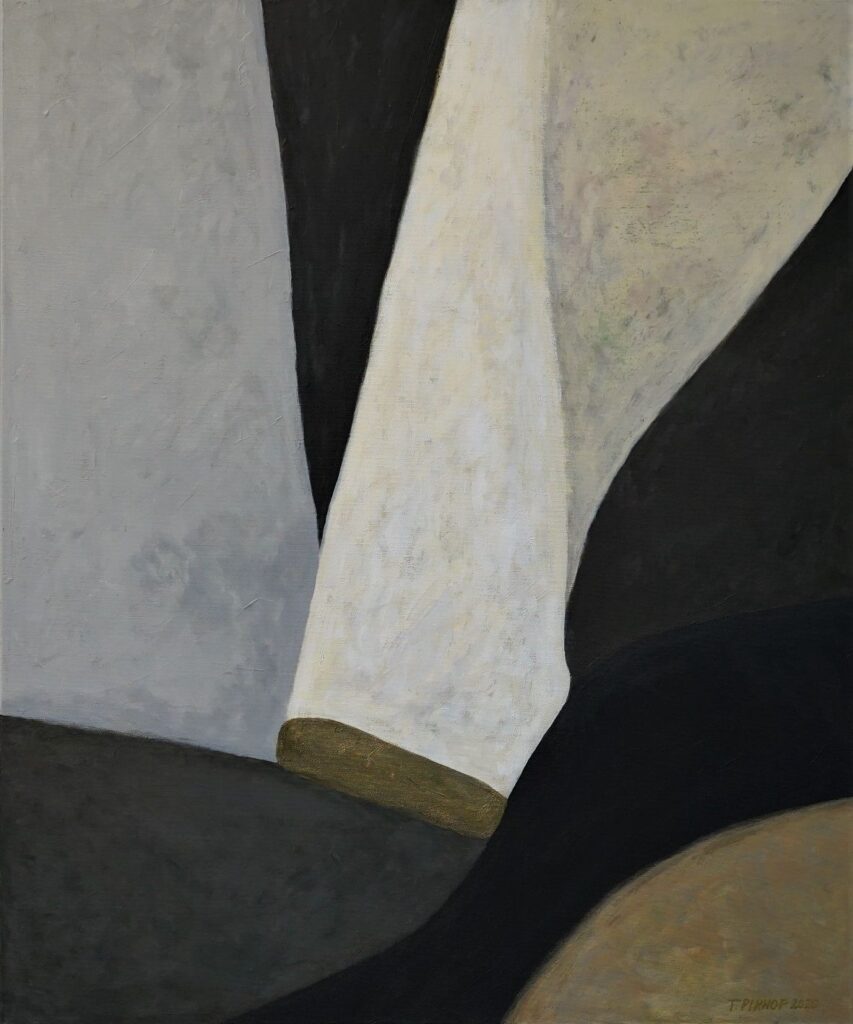
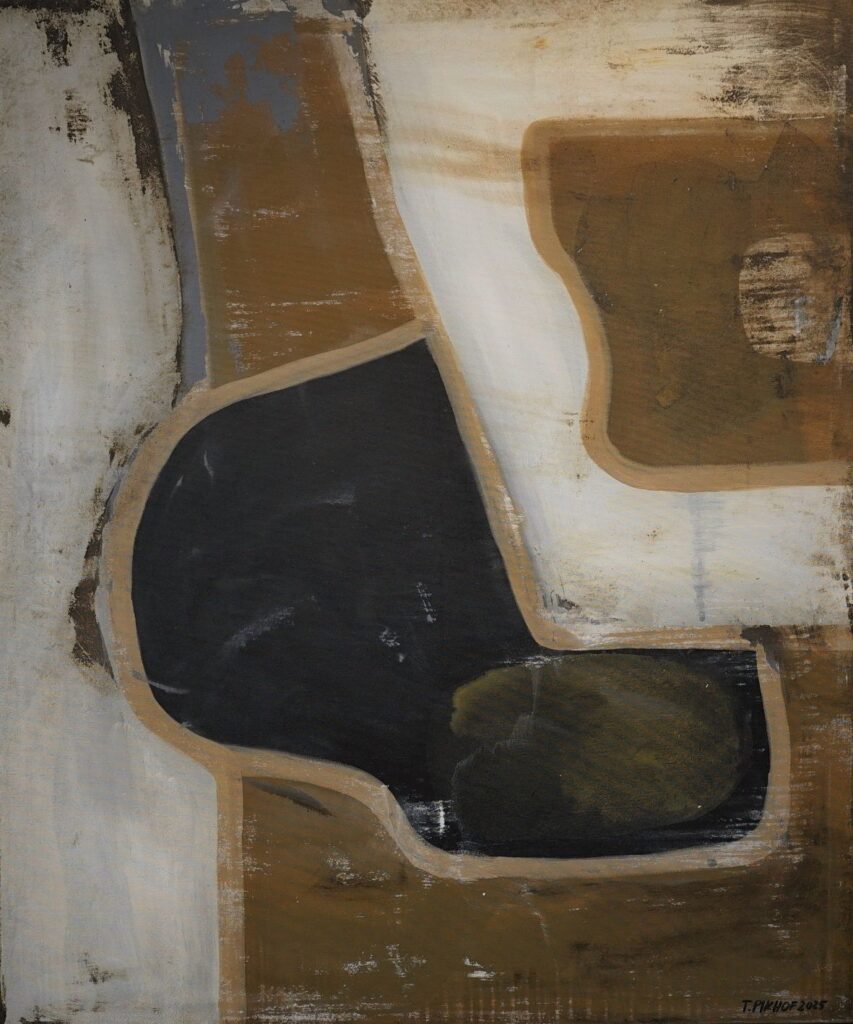
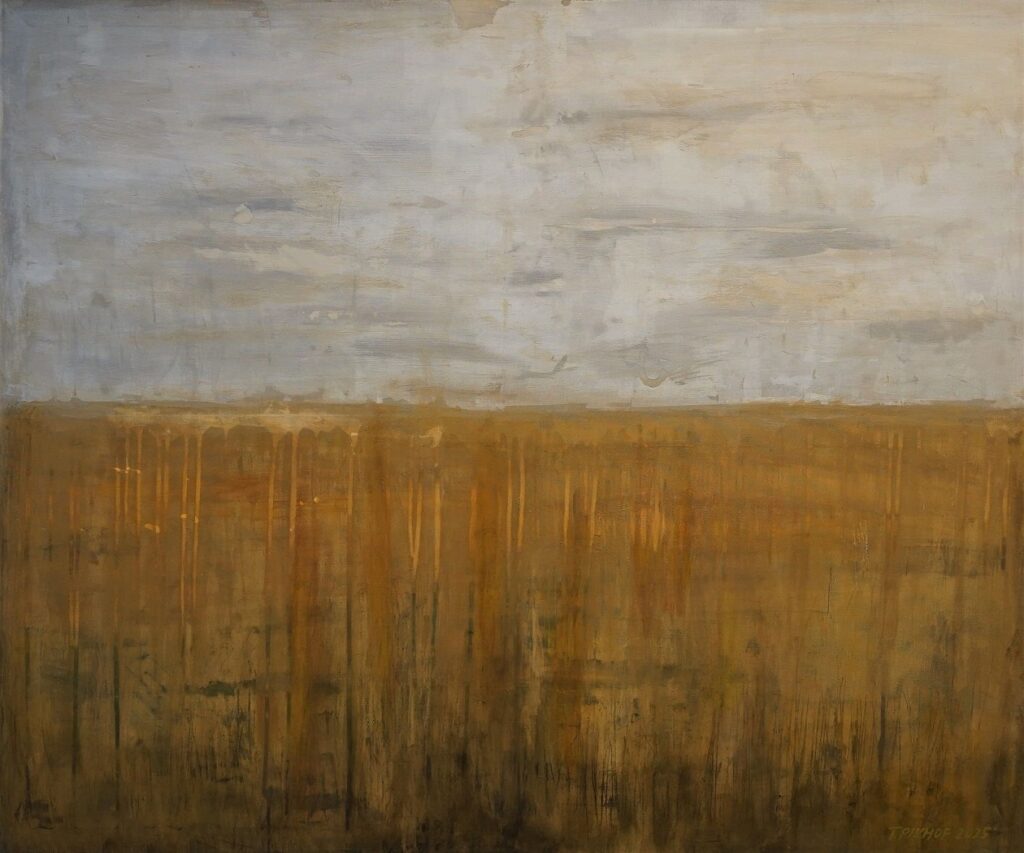
Toomas Pikhof’s solo exhibition, ‘MURDEPUNKT. Before Life Decides for Itself’, comprising 16 abstract paintings, explores education as a moral mirror of society.
Education is not merely the transfer of knowledge. Education is a space of values. When truth, responsibility and care become blurred in society, this inevitably finds its way into the classroom. Children, teachers and families do not face this crisis in isolation – they reflect it in one another. Education becomes the place where the turning point becomes visible. International PISA tests consistently show high results, but at the same time the teacher shortage is worsening, mental health problems among pupils are on the rise, and trust between schools and society is declining. OECD reports warn of a decline in the number of new teachers entering the profession and an increase in their workload. Research confirms that a child’s development depends most on a secure family environment, yet the role of the family is avoided in public debate because it is politically inconvenient.
In his writings, Pikhof, as a headteacher, highlights the fact that education is not at a turning point solely because of the system’s shortcomings. Education is at a turning point because society itself is at a turning point. When truth becomes flexible, responsibility is diffused and care is delegated to institutions, schools cannot remain unaffected by this. The environment of Palmimaja creates a stark contrast: controlled growth and supported development stand in opposition to the question of what price we are prepared to pay in the name of success. The exhibition does not offer solutions, but pauses the viewer in the moment before complacency sets in, before justifications are made, and before moral fatigue takes hold.
This exhibition is not merely art. Spring will come anyway. The question is what kind of society we will have created by then, and what the next generation will become.
Exhibition displays and themes:
- Society’s moral tipping point – when truth becomes negotiable
The gradual erosion of honesty in society does not happen abruptly, but through compromises put forward by the public. When truth becomes flexible, young people too learn that what matters is one’s position, not knowledge or meaning. - The teacher’s tipping point – the erosion of authority and vocation
The crisis facing teachers lies not only in the meagre growth in their numbers, but in the decline in the value of their role. When teachers lose trust, education loses its continuity. - The family’s tipping point – the dissolution of belonging and responsibility
A child’s development depends on relationships, yet responsibility is shifting to institutions. The question is whether school can replace the home in a situation where the family has been delegated to an institution. - The tipping point in education – the illusion of success, which reveals the fragility of education.
Measurable results do not necessarily indicate substantive development. Education may become a performance rather than a quest for meaning.