Kollektsioon
BREAKPOINT. Before Life Decides Itself
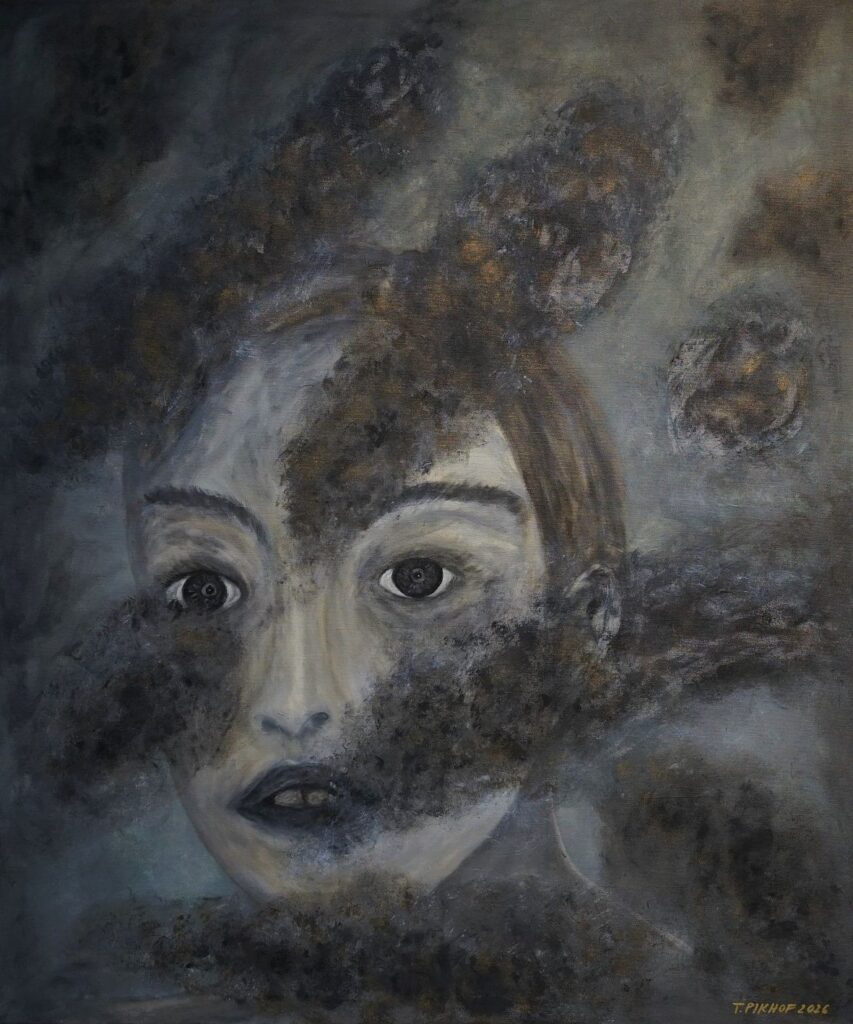
The collection explores education as a moral mirror of society. When truth becomes flexible, responsibility disperses, and care is delegated to institutions, schools cannot remain untouched. Education is not at a breaking point merely because of systemic flaws. It is at a breaking point because society itself is at a breaking point.
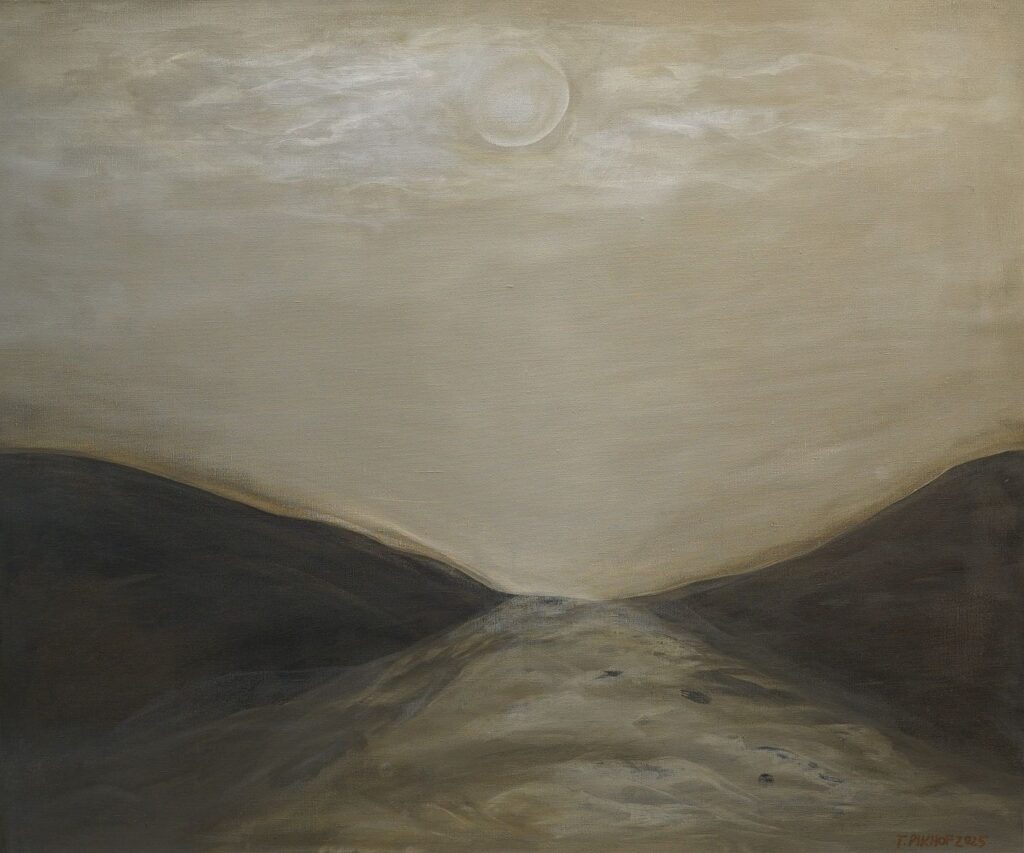
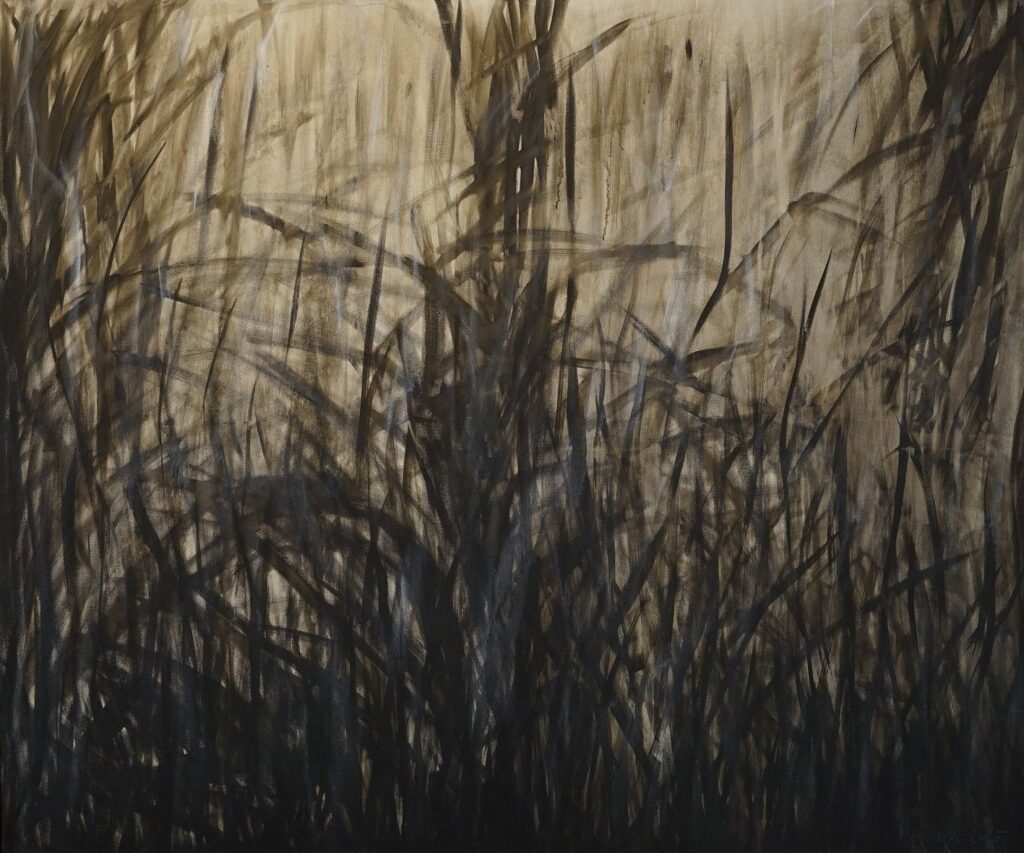
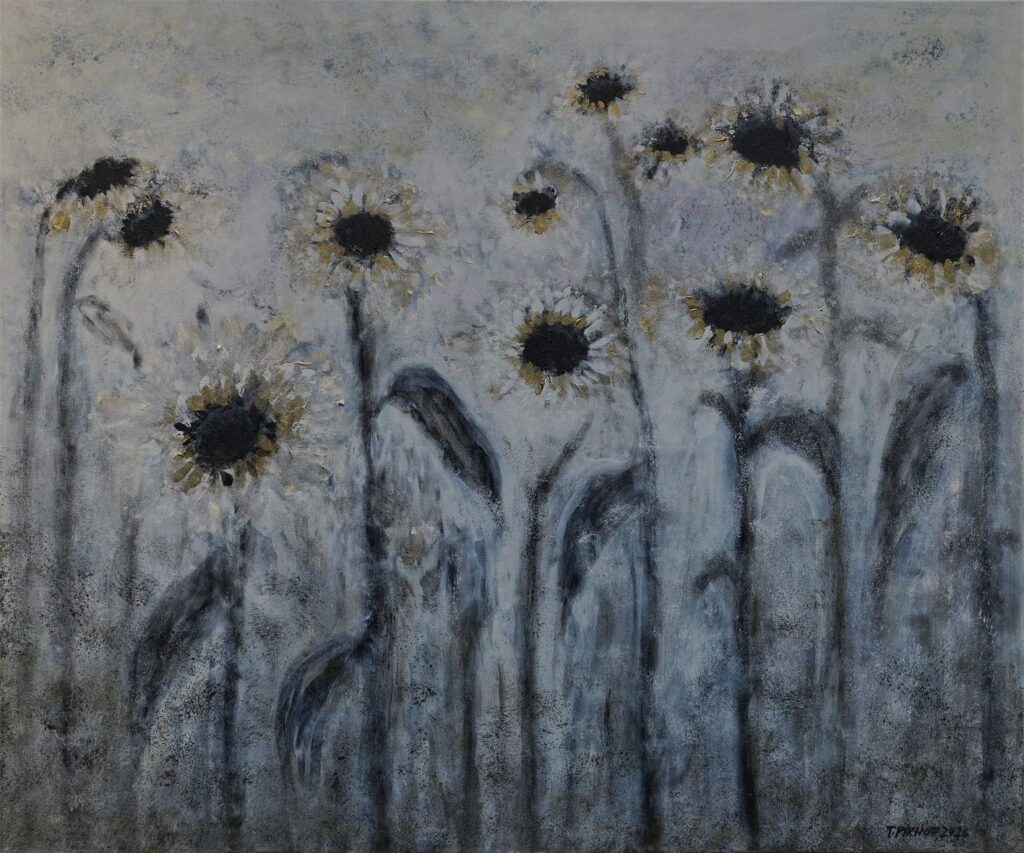
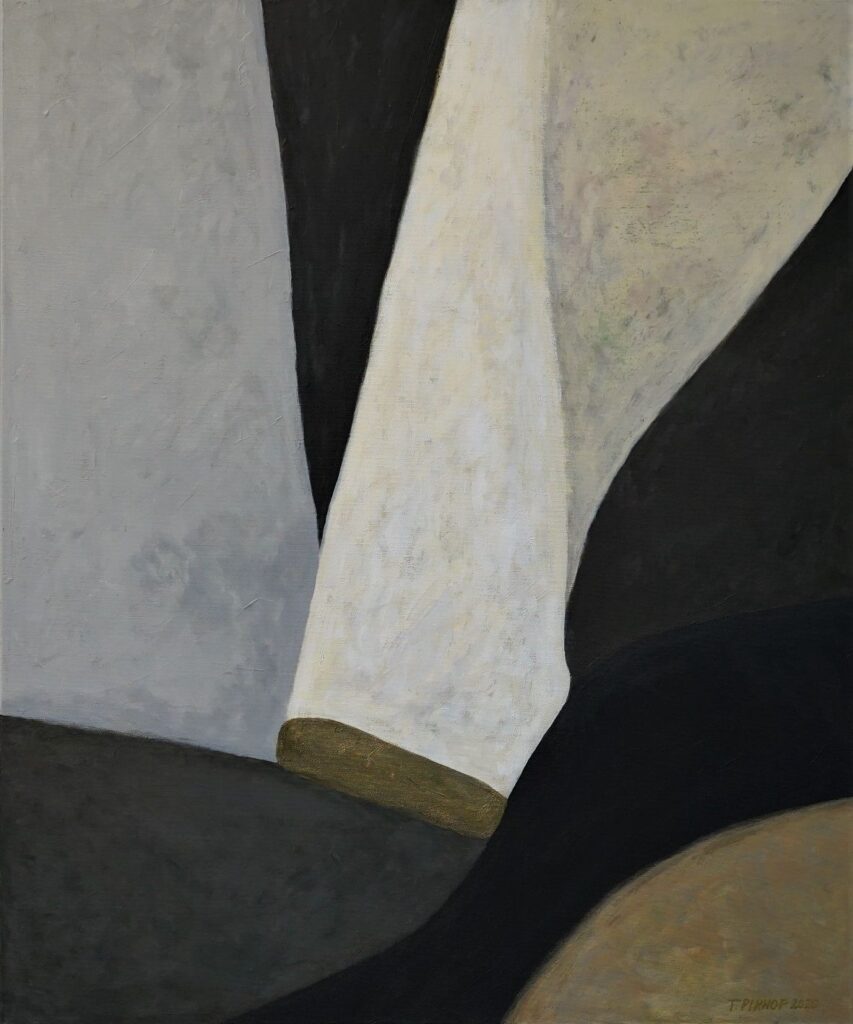
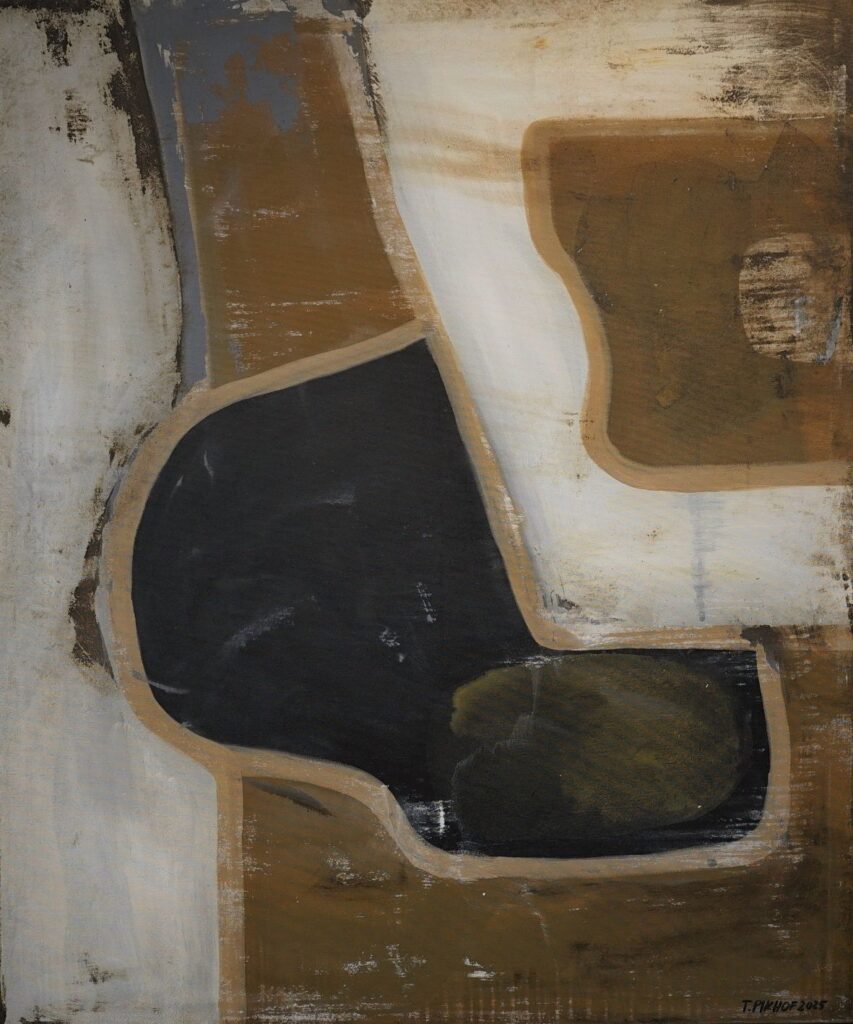
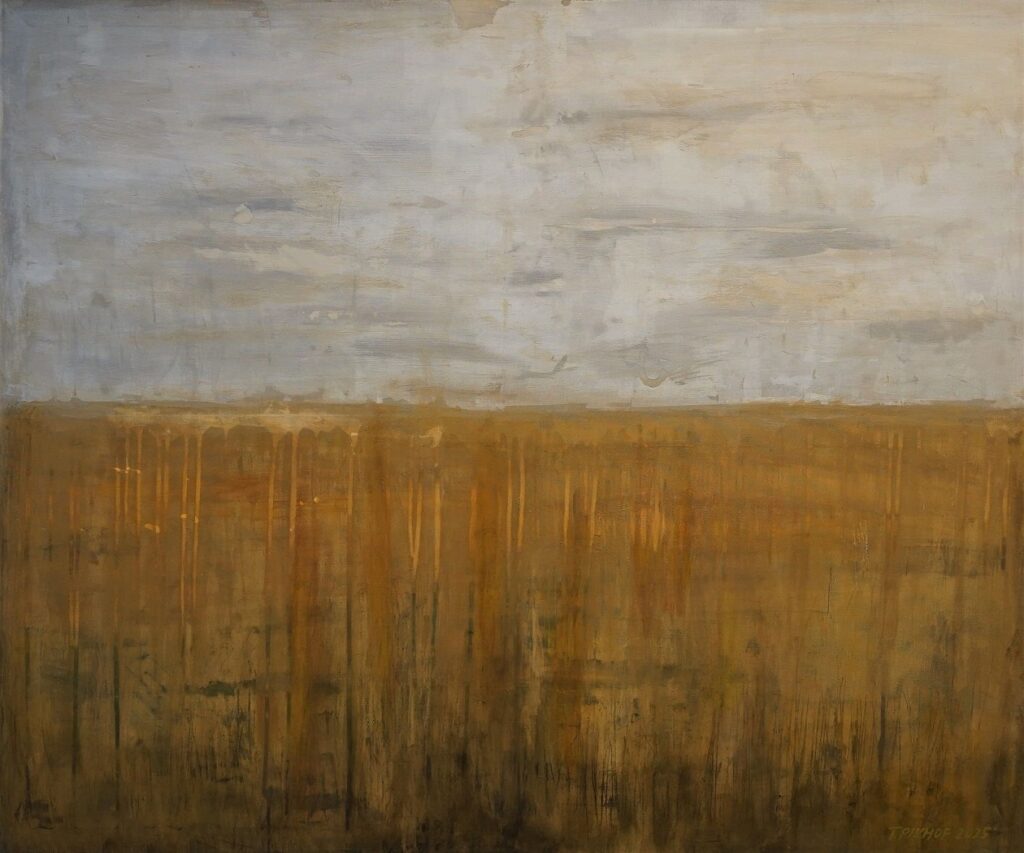
The 16-abstract-painting collection Breakpoint. Before Life Decides Itself was first exhibited in early spring 2026 at the Palm House of the Tallinn Botanic Garden. The series examines education as a reflection of society’s moral condition.
Education is not only the transfer of knowledge. It is a space of values. When truth, responsibility, and care become blurred in society, this inevitably reaches the classroom. The child, the teacher, and the family do not stand apart from the crisis — they reflect it within one another. Education becomes the place where the breakpoint becomes visible.
International PISA results consistently show high performance, while at the same time the teacher crisis deepens, students’ mental health challenges increase, and trust between schools and society declines. OECD reports warn of a shrinking teacher workforce and rising workloads. Research confirms that a child’s development depends most on a secure family environment, yet public discourse often avoids the role of the family due to its political sensitivity.
In his paintings, the artist highlights that education is not at a breaking point solely because of systemic deficiencies. It is at a breaking point because society itself is at a breaking point. When truth becomes flexible, responsibility is dispersed, and care is delegated to institutions, schools cannot remain unaffected.
The exhibition setting in the Palm House creates a strong contrast: controlled growth and supported development stand against the question of what price we are willing to pay for success. The collection does not offer solutions, but instead pauses the viewer in a moment before adaptation, before justification, and before moral exhaustion sets in.
This series of paintings is not only art. Spring will come regardless. The question is what kind of society we will have created by then, and what the next generation will become.
Exhibition panels and themes:
Society’s moral breakpoint – when truth becomes negotiable. The gradual disappearance of honesty does not happen abruptly, but through publicly accepted compromises. When truth becomes flexible, young people learn that position matters more than knowledge or meaning.
The teacher’s breakpoint – erosion of authority and vocation. The teacher crisis is not only about declining recruitment, but about the loss of value in the role itself. When trust in teachers erodes, education loses its continuity.
The family’s breakpoint – fading belonging and responsibility. A child’s development depends on relationships, yet responsibility is shifted to institutions. The question is whether schools can replace the home in a context where family responsibility is delegated away.
The education breakpoint – the illusion of success that reveals education’s fragility. Measurable outcomes do not necessarily reflect meaningful development. Education risks becoming performance rather than the search for meaning.






Ei leidnud sobivat teost?
Tellime sinu interjööri ja soovide järgi unikaalse originaalteose.